Six Months Later… A Circus Was Born

Ladies & Gentlemen!
 Children of All Ages!
Step Right Up and…
Ok, Ok, enough with the hype.
I’ll keep this simple.
Remember all that rambling about circus metaphors I did earlier this year, just before I fell off the face of the earth entirely?
TaDa! The Circus is now an official Thing, an official Thing that quietly launched on Friday. If you consider a circus parade quiet, of course. Oh, and by Thing, I mean a new blog/website with a focus on finding a calm, stable success in creative endeavors.
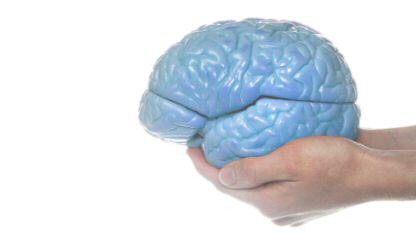
While MindTweaks has been mostly left-brained content, The Circus Serene will cater more to the artistic, abstract, even surreal sorts of subject matter.
But enough yakking.
You can check it out yourself at http://www.circusserene.com
(Oh, and a top secret bit of information just for MindTweaks readers. On Friday, I did a brief offering of freebie art pieces. They were very quickly spoken for, before I could pull myself together and post this announcement. But I’ll be doing another, similar promotion sometime in the next few weeks, and you’ll get a heads up here, first this time. So stay tuned!)
{ 1 comment }
Needful Things! (The Yes-I’m-Still-Breathing Edition)
Oh, Hi. Wow, you’re still here? What’s that you say? You’ve been waiting for me ALL this time? Whoa. I’m sorry. But I’m humbled that you stuck around. Can I make it up to you with a shopping trip? ’cause I found some cool things during my recent travels with the circus!… Step this way please!

 Neurotransmitters Can Be Gorgeous, Too!
Yes, I actually found jewelry for Brain Geeks. Who knew?
Scientist-turned-artist Raven Hannah find her inspiration in neuroscience, casts it in sterling, and offers the resulting loveliness up to the world.
{ 5 comments }
A Trip To The Circus, Courtesy of Mighty Metaphor Mouse!

Y esterday, I told you about Havi’s Pirate Queen expeditions, and then I announced that I wanted to go in search of a metaphor of my very own.
Something to help me better get a handle on this business stuff. Something that made it fun, not scary-and-over-whelming and HUGE.
And (as I’m sure you’ve already figured out) I found that something: A Circus! Not JUST a circus, mind you… but a full-fledged old-fashioned three-ring circus and traveling carnie show, complete with believe-it-or-not sideshows, animal acts, a midway, tons of prizes, games and all the cotton candy you’ll never eat.
How did I find this glorious, stupendous circus of circuses, you ask?
{ 4 comments }
I’m Running Off To Join The Circus!

Yes, yes… I know it’s St. Patty’s day, not April Fools day. And no, I didn’t get totally confused by the switch to Daylight Savings Time last weekend. It will all make more sense by the time I’m done explaining… at least, I think it will.
But meanwhile? I’m running off to join the circus.
This whole business is related to the renovations going on in the background of the site, and it fits with my “Places, Everything!” theme for the year, too. But mostly, it’s about the Metaphor Mouse stuff that Havi Brooks has been writing so much about over the past few weeks. You can ignore the mouse part for now, if you like, and just focus on understanding the metaphor business. After all, the mouse is… just a metaphor.
{ 5 comments }
Change. Coming Soon To A Tweaks Near You.
 No, really, I mean it this time! I’m about 75% of the way to a major site update, as well as some changes for the focus and flow of MindTweaks. My goal? To encourage more community interaction, refresh and renew my own commitment here.
With spring and Easter coming up soon, it seems appropriate, doesn’t it? So don’t give up on me yet… we’ll be all hopey-changey around here very soon!
{ 5 comments }