Penn & Teller: Magic and Neuroscience
When I was little, my grandfather would amaze me with a rudimentary magic trick - presto, change-o, and with a pass behind his back, a green poker chip would turn into a red one.
Hey, I was only 3 years old, my powers of observation were limited. But I’ve always loved stage magic, and the mental jolt of “HEY! That’s not right, how’d that happen?”
And when I was in my wacky lets-learn-all-about-spiritual-secrets-and shamanism phase, I became fascinated by the way shamans could use tricks of illusion and magic as part of ritual and surprisingly effective medical treatments. Indigenous spiritual practices are full of manufactured illusions that are treated as reality, even by the practitioners themselves - but that’s another post.
This post is about what illusionists can contribute to neuroscience, and a fascinating article on the topic, published last year in Nature Reviews and co-written by Teller, of Penn & Teller.
See, stage magicians make their living from an intuitive understanding of human perception and attention. By studying their tricks, a lot can be learned about how the brain perceives and misperceives the world around us, how visual illusions work, and even how our brains decide what’s important to pay attention to, and what isn’t… mental loopholes that reveal the core workings of our brain.
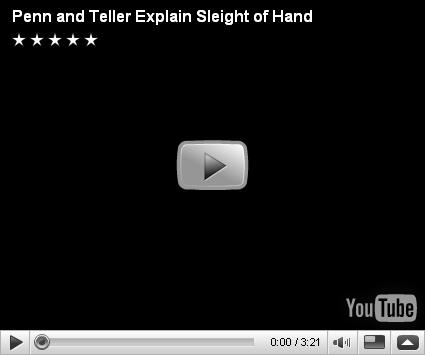
Check out this clip from Penn & Teller’s Vegas show:
And here’s what’s most fascinating to me about magic (and which especially fascinated me in my studies of shamanism):
It doesn’t matter one bit that the audience knows they’re going to be tricked. In fact, in some cases, it doesn’t matter if the audience knows the *exact* nature of the illusion - it still works, because it doesn’t just fool the mind, it exploits the brain itself.
Now, I’m feeling a bit lazy this morning, so.. presto, change-o, I’ll divert your attention with the link to the article in Nature Reviews, as I wander off to fix my breakfast.
Attention and awareness in stage magic: turning tricks into research
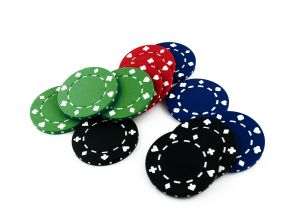 There, see? You didn’t even notice I was gone, did you? Ok Ok, so your skills of observation are a bit better than mine were at age 3… HEY, where’d those poker chips come from?
Disclaimer: No poker chips were harmed in the production of this article.
MindTweak: When you’re watching Psycho, there’ s that moment when you have a visceral reaction to watching someone being stabbed. And then you have the intellectual revelation that you’re not, and that’s where the celebration comes in. - Penn Jillette